
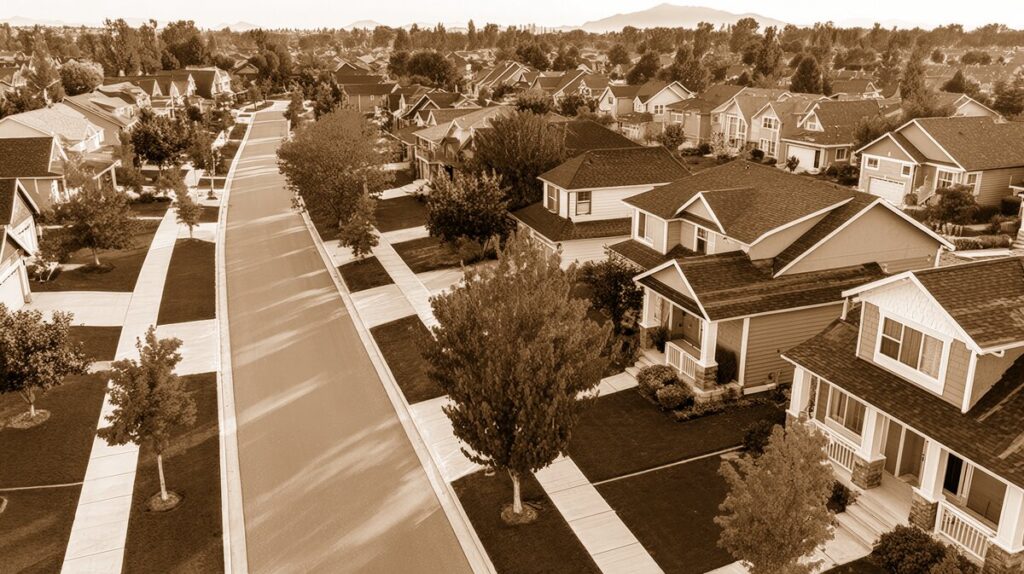
Nestled just east of Savannah’s Victorian District, with its shady streets and welcoming porches, Baldwin Park isn’t just one of the city’s cherished residential enclaves—it’s a living chronicle of Savannah’s evolution. As a longtime resident, I've strolled these brick-lined sidewalks and admired the cottages, bungalows, and oaks draped in Spanish moss for years. Let me share the story and soul of Baldwin Park, a neighborhood where history and hospitality are alive and well.
Origins of Baldwin Park
Savannah’s grid of squares and stately boulevards is legendary, but Baldwin Park’s origins harken to the city’s push toward new suburban ideals at the turn of the 20th century. The neighborhood was established in the early 1900s, as Savannah’s core grew increasingly bustling and residents sought peaceful, tree-lined streets for their family homes. Developed around 1912, Baldwin Park was envisioned as a haven just far enough from downtown to escape the noise, but close enough to remain connected to the city’s pulse.
The land that became Baldwin Park was part of larger agricultural holdings wrapping the eastern edges of Savannah’s historic district. Developers recognized the area’s potential as a residential retreat: dry ground, good breezes from the Wilmington and Herb rivers, and the promising addition of streetcar lines on nearby Henry and Anderson Streets.
The Name Behind the Neighborhood
Baldwin Park takes its name from Abraham Baldwin, one of Georgia’s most influential statesmen. Baldwin was a signer of the U.S. Constitution and founder of the University of Georgia. His commitment to civic betterment and education embodies the progressive spirit of this neighborhood. The park at the heart of the community—Baldwin Park itself, located at Rowland and Atlantic—is a verdant gem that anchors the area, offering shaded benches and play spaces and serving as a gathering spot for generations.
Key Historical Milestones
- Early 20th Century Development: After its founding, homes began to spring up along Atlantic Avenue, Harmon Street, and Maupas Avenue, featuring American Foursquare, Craftsman, and Colonial Revival styles. Many houses retain their original porches, window transoms, and hardwood floors—details cherished by preservation-minded residents today.
- Streetcar Suburb Growth: The neighborhood’s expansion was closely tied to Savannah’s robust streetcar system, making it an early example of a “streetcar suburb.” The lines running down Victory Drive made trips downtown or to the beaches of Tybee quick and convenient, solidifying Baldwin Park as a desirable address.
- Mid-Century Changes: By the 1950s and 60s, Savannah’s suburbs expanded further southward. Some original families moved out, but many longstanding residents stayed, keeping traditions alive. The neighborhood weathered challenges, including nearby commercial development and shifts in the city’s demographic profile, yet retained its tight-knit character.
- Recent Revitalization: Over the past two decades, an energetic wave of newcomers and young families have restored many of the older cottages and bungalows, breathing fresh life into these storied blocks. Community organizations like the Baldwin Park Neighborhood Association have taken root, organizing cleanups, holiday events, and social gatherings at the central park.
Notable Landmarks and Community Touchstones
Baldwin Park is defined by its signature architecture and friendly, walkable streets, but certain landmarks and locations give it a character all its own:
- Baldwin Park (the park): The heart of the neighborhood on Rowland Avenue, with towering oaks, a children’s playground, and open lawns for picnics and block parties.
- Streets with Character: Atlantic Avenue with its canopied oaks and the charming intersections of 41st, 42nd, and 43rd Streets, where neighbors often chat over picket fences.
- Historic Homes: The American Foursquares and Craftsman bungalows lining Fenwick, Harmon, and Maupas—many dating back more than a century—showcase the craftsmanship and elegance of a bygone era.
- Nearby Institutions: Thomas Park, just a block west, often merges seamlessly with Baldwin Park and offers additional green space. The neighborhood is also close to Savannah Arts Academy and the verdant expanse of Daffin Park, home to Grayson Stadium.
Evolution Through the Decades
Baldwin Park has always blended old and new. In the 1920s and 30s, it was home to Savannah’s burgeoning middle class—teachers, builders, and city officials. As the city changed, so did the makeup of Baldwin Park, with waves of new residents bringing fresh energy. The 1970s and 80s saw some homes fall into disrepair, but the strong bones of the neighborhood remained.
In recent years, a new generation of Savannahians has fallen in love with Baldwin Park’s charm. Young families, artists, and professionals have restored houses, cultivated flowerbeds, and reinvigorated the porch culture. Saturday mornings see strollers converging on the park, while neighbors host progressive dinners and Halloween parades. Seasonal decorations, yard sales, and impromptu gatherings are mainstays of Baldwin Park’s social calendar.
One of the great joys of living here is the way the neighborhood balances tranquility with connection. It offers the intimacy of a small town, yet sits just moments from Savannah’s bustling downtown. Residents are fiercely proud of safeguarding Baldwin Park’s historic homes, tree canopy, and sense of belonging.
Enduring Spirit and Community
Baldwin Park’s story is best told in the details: the old growth oaks arching over Atlantic Avenue, the laughter echoing from Baldwin Park playground, the pride neighbors take in their gardens, and the resilience shown through decades of change.
As Savannah continues to grow, Baldwin Park remains a sanctuary of Southern character. Its blend of timeless architecture, leafy streets, and warm community welcomes all who wander its way. Whether you’re watching the sunlight dance through magnolia blooms or joining the annual block party, you’re part of a tradition that’s over a century strong.
If you find yourself in Savannah and want to discover a corner where history meets hospitality, take a stroll through Baldwin Park. Chances are, you’ll want to stay a while.